
7:47 · With Chris Schembra
In-Person Experiences
AI made us efficient. It didn’t make us connected. Bring your team and your clients together for the conversations, shared meals and human moments you can’t automate.
The human side of the AI age
What are we doing with the time we get back?
AI can write the first draft, summarize the meeting and clear the calendar. But a shorter to-do list doesn’t automatically mean a stronger relationship.
We can become more efficient at work while becoming less available to each other. The opportunity isn’t to reject technology. It’s to put some of the time it gives us back into being present with people.
Sometimes people don’t need another resource. They need each other.
The connection deficit
Productivity is improving. Connection still needs intention.
86%
feel more productive because of AI.
43% → 28%
believe AI has freed up time for human connection — but only 28% actually spend that time on collaboration, networking or team strategy.
33%
rarely or never talk with colleagues beyond transactional work tasks in a given week.
14%
took time off due to loneliness or social isolation in the past year.
Workday’s 2026 Human Connection Workplace Index surveyed 2,150 full-time employees who actively use AI at large organizations across seven countries. These are self-reported findings, not proof that AI causes disconnection. The report also found that 62% felt their stress or burnout risk had decreased.
Read Workday’s research ↗Beyond “me plus the machine”
The best thinking still happens between us.
A machine can help organize an idea. A person can challenge an assumption, notice the hesitation in your voice, or ask the question you’ve been avoiding. Innovation isn’t only about what we know. It’s about what becomes possible when we think together.
“When you’re gathering with people don’t google the answer. Unplug the prosthetic and exercise your skills of trying to figure it out together.”
— Chris Schembra
Social well-being
A life can look good on paper and still feel lonely.
In 2015, Chris’s life looked good on paper. Inside, he felt lonely, disconnected and uncertain about tomorrow. The response wasn’t a better productivity system. It was bringing people around a dinner table.
That’s the human need behind 7:47. Physical and mental well-being matter. So does social well-being: feeling known, supported and in relationship with others. You can make room for it, but you can’t automate the relationship itself.
Read Chris’s story →Three human practices
Gather. Ask. Give.
Gratitude at work isn’t only something you give through a recognition program. It’s something you make possible by gathering people together.
Workday’s 2026 research found workers who feel genuinely appreciated report markedly higher well-being (60%) than those who don’t (56%) — and the World Economic Forum ranks gratitude and empathy among the fastest-rising core skills through 2030, cited by 13% of employers.
Gather
Create a room where people can be present, not just attend. Smaller conversations, shared tasks and time away from the next notification make space for people who rarely get heard.
Presence is the price of admission.
Ask
You don’t have to arrive with all the answers. Bring better questions. What’s known? So what? Now what? What’s unsaid? Listen long enough for something unexpected to emerge.
Lead with curiosity, not certainty.
Give
Say the gratitude out loud. Acknowledge the people who helped you become who you are. Let the group hear the story, not just see a badge, a points balance or an employee-of-the-month announcement.
“Who would you give credit or thanks to that you never have?”
The leader’s invitation
Be the Chief Host Officer. And the Chief Question Asker.
Your next leadership move might not be another announcement. It might be an invitation. Gather the people. Set the tone. Ask the question that lets someone say what they haven’t had a place to say.
For a team, that can mean hearing someone beyond their role. For a client, it can mean becoming a trusted partner rather than another vendor. The job is the same: make room for a real relationship.
More on gratitude in the workplace →Team building
For your team
Five ways to move beyond working alongside each other and start thinking, listening and connecting together.
Keynote
60–90 minutes · Rooms of 100 to 200+
AI can change how your people work. This customized keynote asks what it takes to keep them connected. Built around your event’s theme, it makes presence, curiosity and gratitude part of the leadership conversation.
“Great culture begins at the table. People are the strategy.”
Inquisitive Empathy Workshop
About 2.5 hours · Leadership cohorts of 25 to 80+
For the conversations a prompt can’t have for you. Teams practice mirroring, labeling and calibrated questions through live demonstrations and paired exercises — learning to challenge assumptions without losing connection.
“Disagree without disconnecting. Lead with curiosity.”
Gratitude Experience™
About 3 hours · 18 to 24 guests
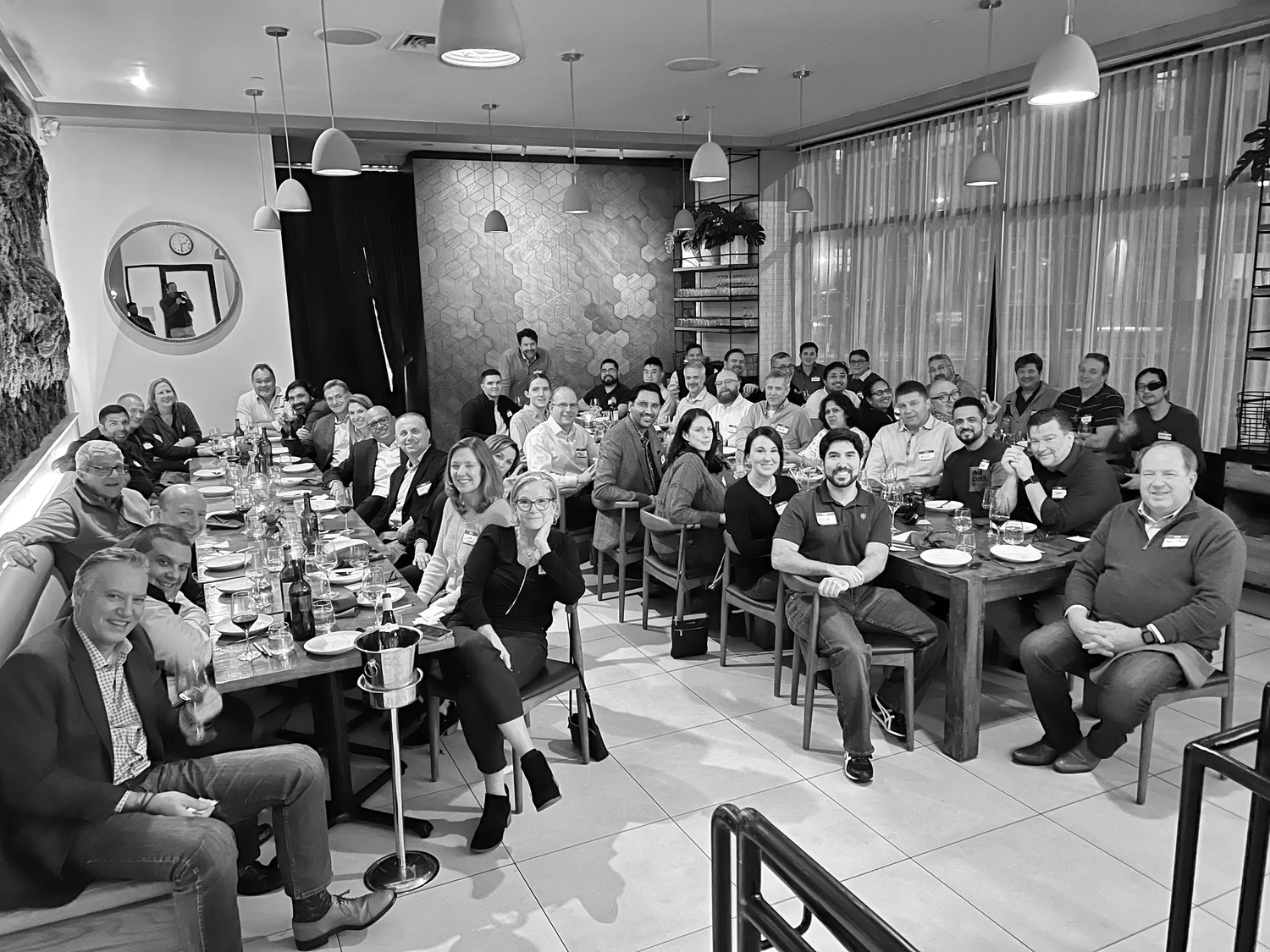
Not another recognition program. A facilitated shared meal where people slow down, share stories and express gratitude out loud. At 7:47, the signature question opens a conversation beyond roles and responsibilities.
“Who would you give credit or thanks to that you never have?”
Executive Dinner
3 to 4 hours · 18 to 24 leaders
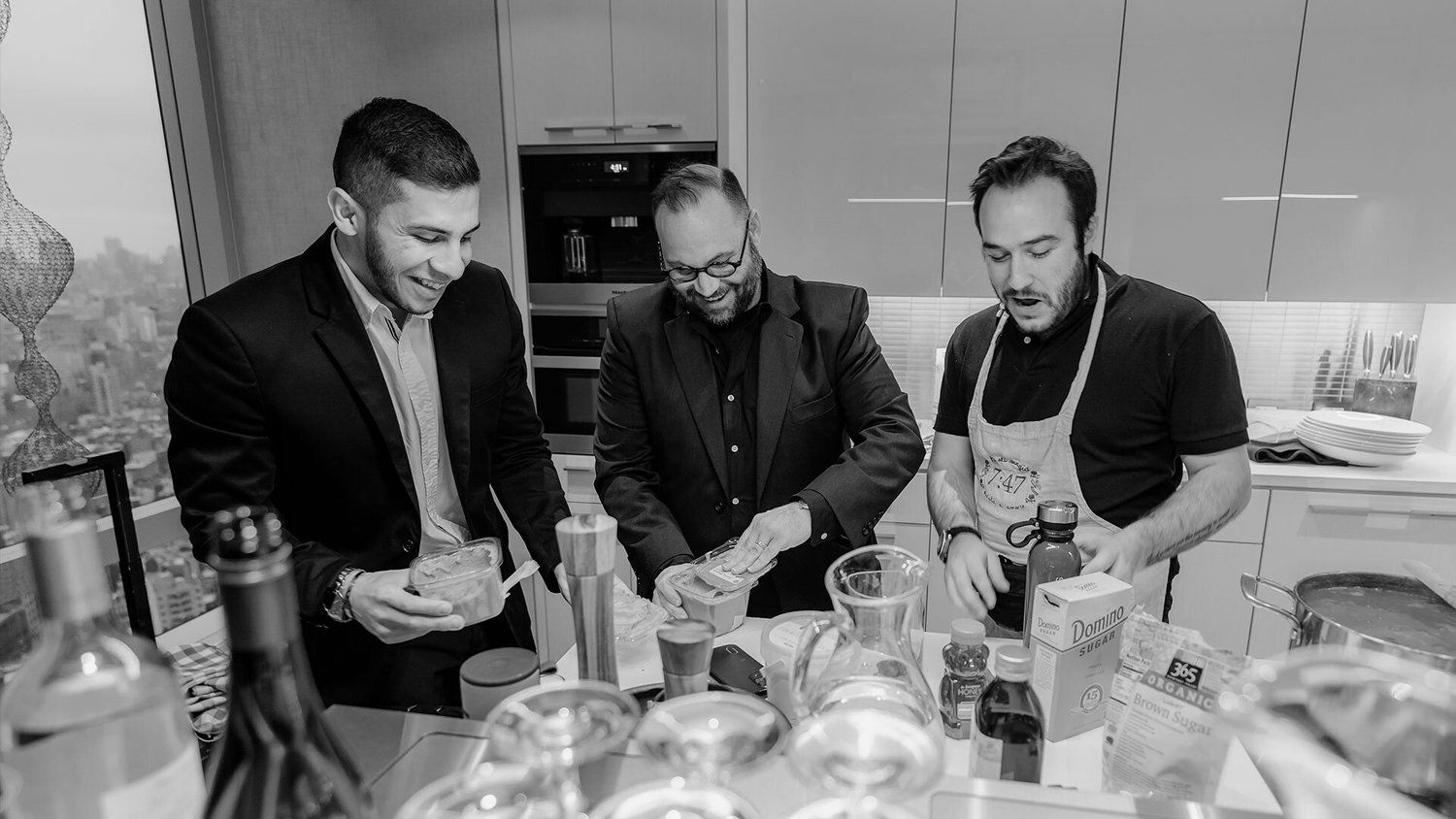
Take the titles off before you tackle the agenda. In a home-like setting, leaders cook, serve and eat together, then share a gratitude round. Build the relationship before the next day’s working session.
“No titles. Can't pour your own wine.”
Full-Day Offsite
A full day · All-hands and leadership teams
A day designed around people, not just presentations: a morning keynote, observation of how your group connects, afternoon facilitation and a closing readout. Make space for what’s unsaid before deciding what comes next.
“Builds behavior, not just ideology. Connection before performance.”
Client engagement
For your clients
Your clients are people, not just accounts. Create the space to know them, hear them and build a relationship beyond the next transaction.
Client Engagement Dinner
A three-hour dinner · 18 to 24 curated guests
Your clients don’t need another sales pitch over dinner. Customers, prospects and strategic partners shop, cook and gather around the table together. Meet the person behind the account, without transactional work talk.
“Shop, cook, eat, talk, clean up together. No name tags, no work talk, no last names.”
Customer Advisory Board
Two days · Your top clients and senior executives
Earn the conversation before asking for the feedback. A welcome dinner creates room for human connection; a full advisory day brings guided discussion, observation and synthesis. Listen for what customers haven’t yet said, not just what’s on the agenda.
“In a world where knowledge is cheap, the only value is in what's unsaid.”
See Chris in the room
Human connection isn’t just the topic. It’s the experience.
Around a dinner table, inside an auditorium or at your next offsite, Chris brings the argument to life through questions, stories and participation. Each experience is tailored to your people and your purpose.
Evidence-based impact
Gratitude happens when you acknowledge you've received something valuable from others.
Through the Gratitude Experience™, people experience the benefits of gratitude at two levels: as an individual, and as a group.
Individuals
Feel happier, more resilient and more satisfied with life, with reduced burnout and better physical health through sleep, recovery and reduced inflammation.
Groups
Experience stronger relationships and increased pro-social behavior, job satisfaction, and productivity.
Gratitude shifts you away from negative thoughts and behaviors to more positive ones. We know it's great for individuals and groups. More people are realizing it's also fantastic for business.
Frequently asked questions
- Who are in-person experiences for?
- Leadership teams, all-hands groups, and the clients and customers you want to build deeper relationships with.
- What formats do you offer?
- A keynote, the Inquisitive Empathy Workshop, the Gratitude Experience, an Executive Dinner, a Full-Day Offsite, a Client Engagement Dinner, and a Customer Advisory Board.
- How long do they last?
- From a 60 to 90 minute keynote to a full-day offsite. Workshops run about 2.5 hours, and dinners about three to four hours.
- How big can the group be?
- Dinners and Gratitude Experiences are intimate, about 18 to 24 guests. Workshops serve cohorts of 25 to 80+, and keynotes rooms of 100 to 200+.
- Where do they take place?
- In person, at a location chosen for your group. If your people are spread out, we also offer a Virtual Gratitude Experience.
- How do I book one?
- Click Let's Talk to send a message. We'll ask about your group and goals, then plan every detail with you.